Manga
9
The section by its numbers · The Closing
Name sums to 18 and reduces to 9 — The Closing, where the reference files a completion.
Manga18total18 → 9
The 9 governs endings, compassion, and the closing of cycles. The reference files it as a completion. It is a lens rather than a verdict, but it is a consistent one: the 9's sense of a cycle closing and something being released is the pressure under this section.
The Closing — endings, legacies, and what a finished thing leaves behind →Manga is Japanese comics and graphic novels with a history stretching back over two centuries. Distinguished by expressive black-and-white art, cinematic panel layouts, and a uniquely right-to-left reading order, manga has grown into a global storytelling medium with annual sales surpassing $6 billion worldwide. The dates below carry their own reductions, and every name is a way into its shelf.
Full Guide →Key Milestones
- 18145
Katsushika Hokusai coins the word "manga" in his illustrated sketchbooks, meaning "whimsical pictures."
- 19473
Osamu Tezuka publishes Shin Takarajima, establishing the cinematic panel style that defines modern manga.
- 19596
Shueisha launches Weekly Shōnen Jump, which becomes the world's best-selling manga anthology.
- 198422
Akira by Katsuhiro Otomo redefines manga's scope, pioneering cyberpunk and influencing global comics.
- 19978
One Piece begins serialization; it later becomes the best-selling manga series of all time with over 530 million copies.
- 2010s
Digital distribution and legal scanlation platforms explode manga readership in North America and Europe.
- 20215
Global manga market hits a record high, with U.S. sales tripling in three years driven by Demon Slayer and Jujutsu Kaisen.
Did You Know?
Manga is read right-to-left and back-to-front — the complete opposite of Western comics.
Weekly Shōnen Jump has a peak circulation record of 6.53 million copies (1994–1995), making it the highest-circulating comics anthology in history.
The Big Three — One Piece, Naruto, and Bleach — collectively sold over 900 million copies and defined a generation of readers.
Manga covers every genre imaginable: from cooking (Food Wars!) to chess (3-gatsu no Lion) to gourmet dining (Oishinbo).
Approximately 40% of all printed material sold in Japan is manga, and manga cafés ("manga kissa") rent out volumes by the hour.
The iconic manga eyes were partly inspired by Betty Boop and early Disney characters, as Osamu Tezuka was a huge Disney fan.
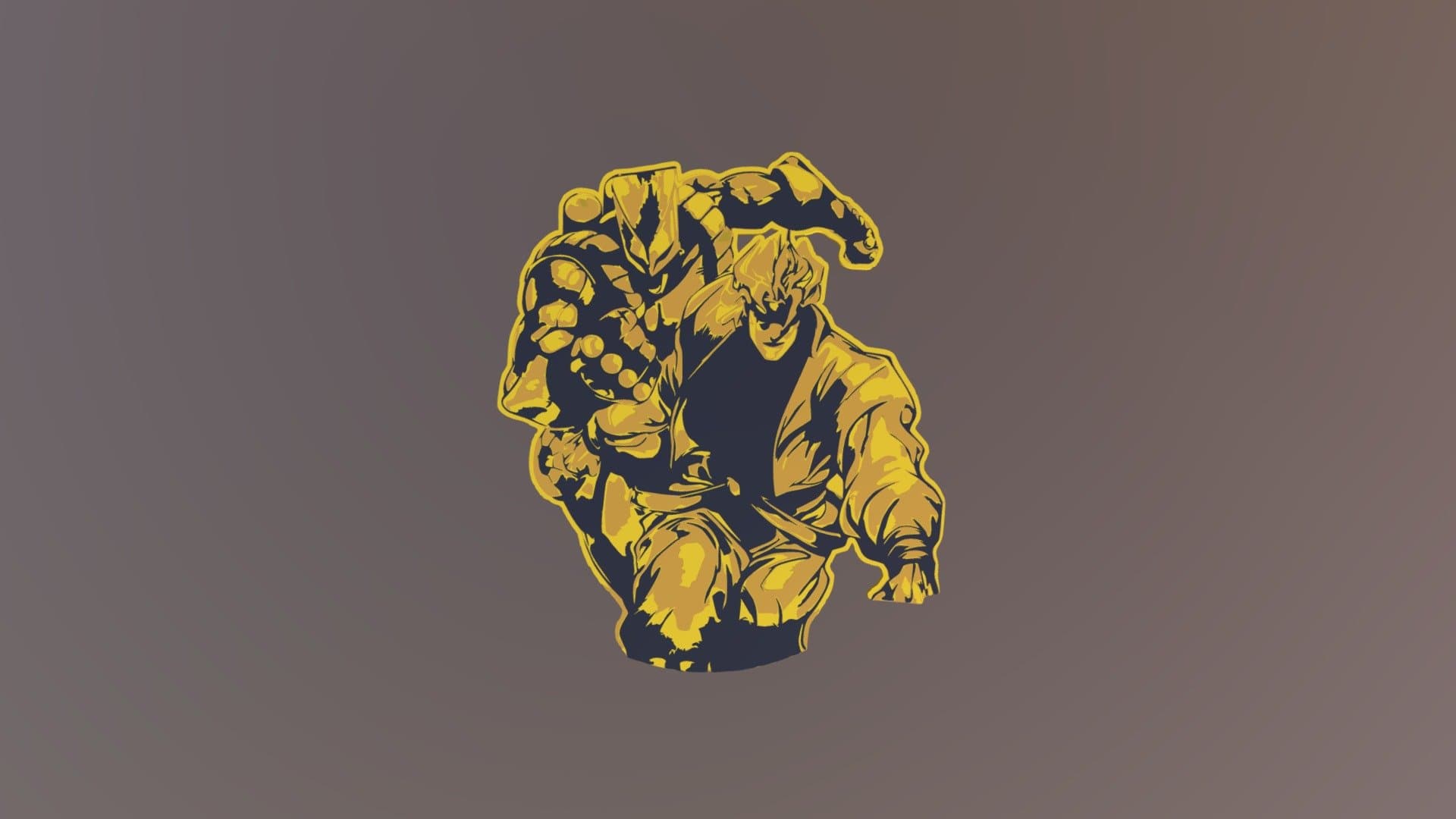
Manga · 8
Manga · 8Part 39: Mizuki’s Uncanny Ground: The Cartoon, The Real, and the Argument of Form
Part 39: Mizuki’s Uncanny Ground: The Cartoon, The Real, and the Argument of Form
manga craftShigeru Mizuki
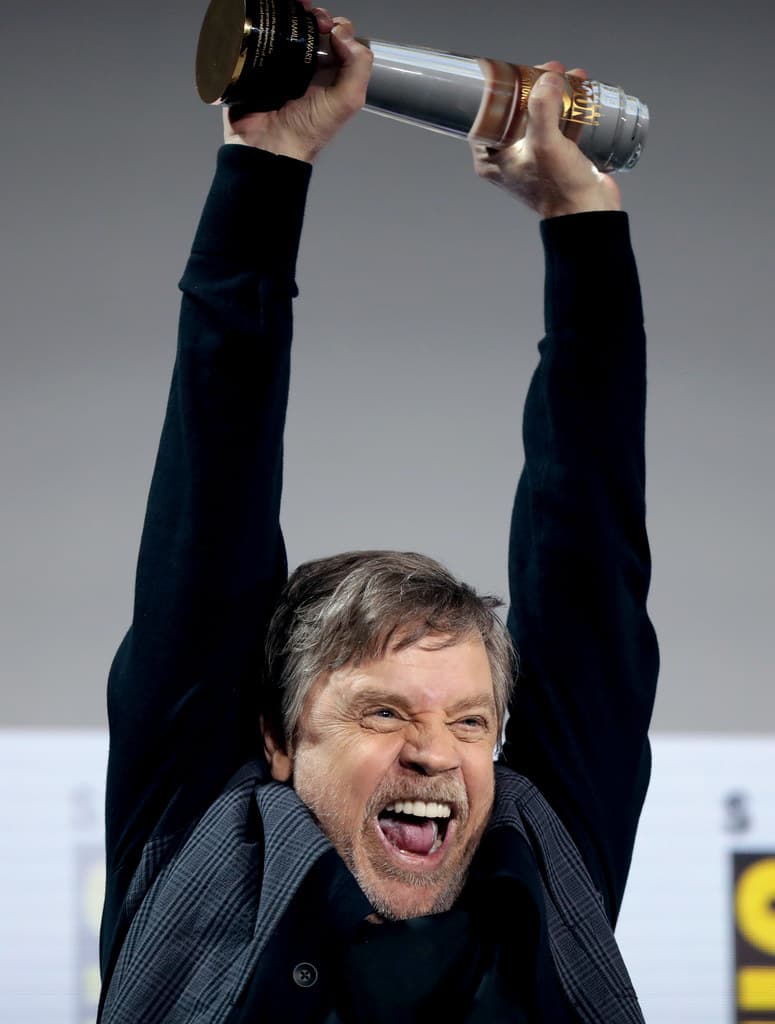
Mark Hamill's Joker Headlines New Absolute Batman Variant
Mark HamillJoker
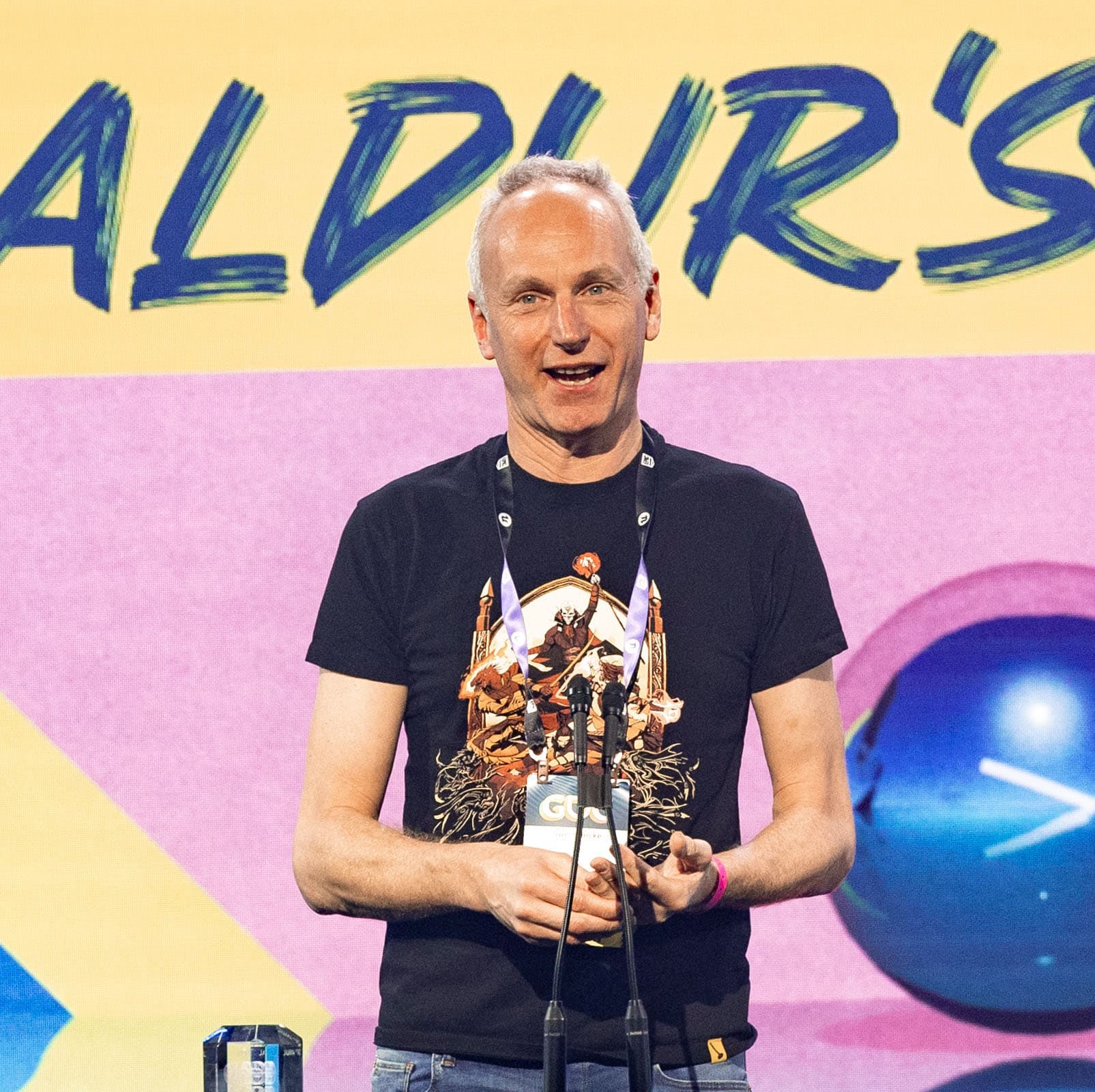
Baldur's Gate 3: Astarion Novel Set for Surprising 2026 Release Date
Baldur's Gate 3Astarion

Seth Green Levels Up: Joins Global Gaming League with Epic Tournament Series
Seth GreenGlobal Gaming League
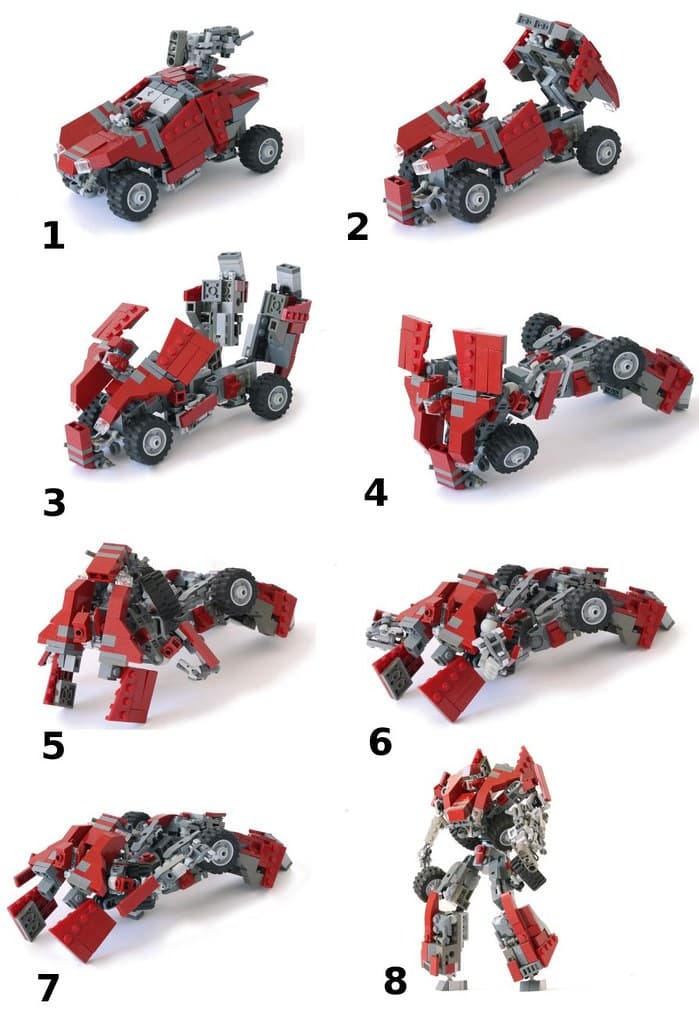
Hasbro Pulse Unleashes New G1 Seekers, But You'll Wait Until 2027
TransformersG1 Seekers
Absolute Batman's 'Compgate': Retailers Fume Over Early Variant Sales
Absolute BatmanScott Snyder
Marvel Comics Names Steve Wacker New EIC Amidst Burbank Relocation
Steve WackerMarvel Comics

Wait, What?! The Big Bang Theory Spin-Off 'Stuart Fails to Save the Universe' Goes Full Sci-Fi Multiverse
Stuart Fails to Save the UniverseThe Big Bang Theory

Magic: The Gathering Creator's Vanguard Exiles Targets 2027 Launch
Richard GarfieldVanguard Exiles
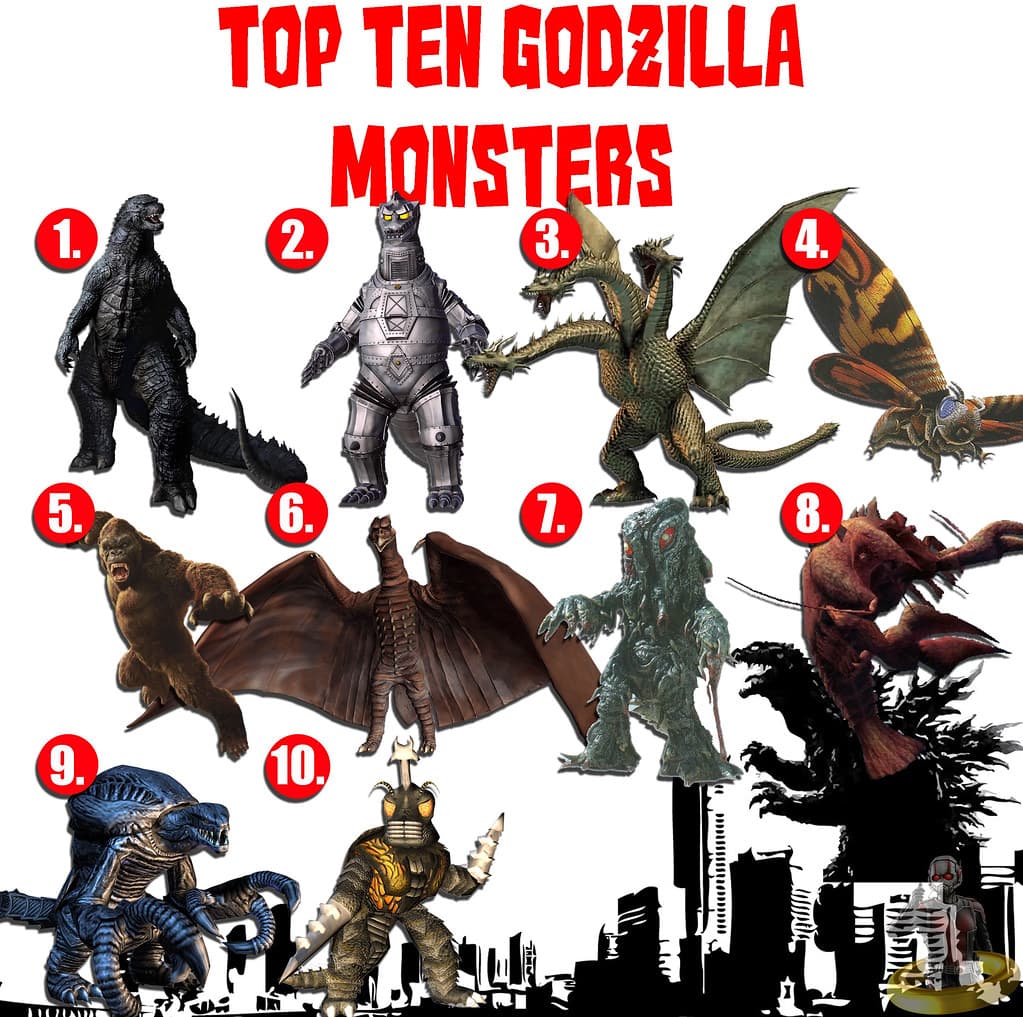
Hiya Toys Unveils Battle-Damaged Mecha King Ghidorah, Ships 2027
GodzillaMecha King Ghidorah

Top Gun Stars Enter Battlefield 6, Voiced by Original Movie Actors
Battlefield 6Top Gun