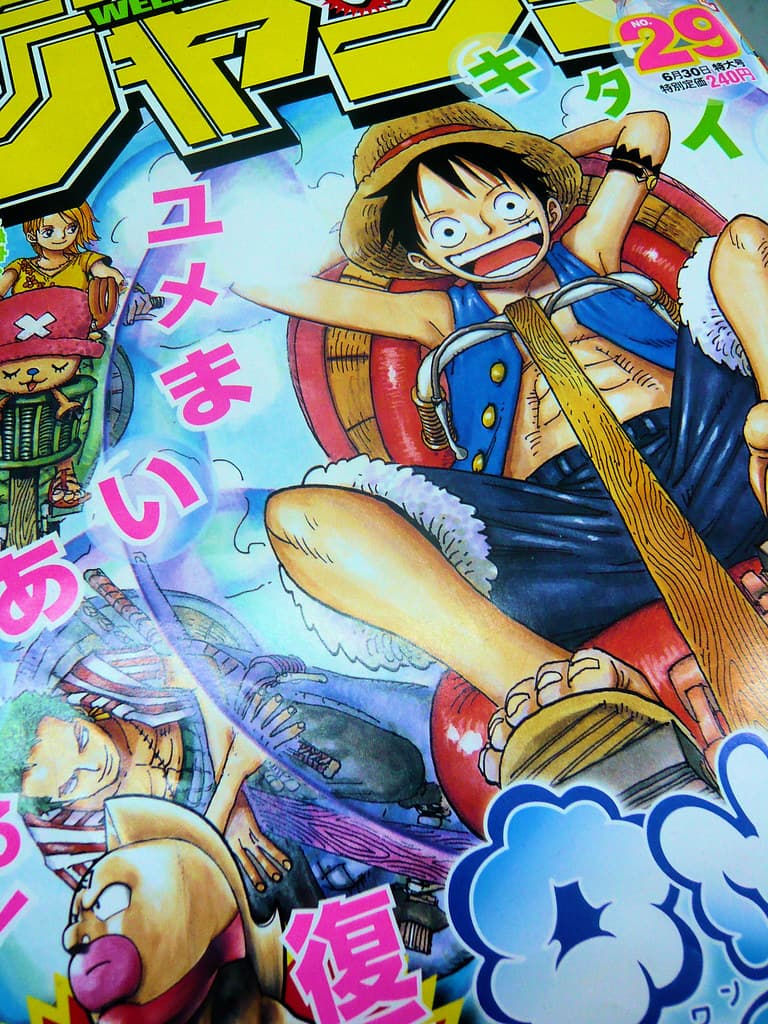
Masamune Shirow's Ghost in the Shell: Our Cyberpunk Present

6A 6 by its headline: nurturer & harmonizer, and therefore the care.
Ghost in the Shell wasn't just groundbreaking cyberpunk manga; it was a stark warning, a crystal ball peering decades into our future. Masamune Shirow's seminal work, first published in 1989, didn't just imagine a world of full-body prosthetics and sentient AI. It eerily predicted the very real ethical dilemmas we grapple with today.
Consider Major Motoko Kusanagi's cybernetic body. What once seemed pure fantasy—replacing organic limbs with advanced machinery, enhancing human capabilities beyond natural limits—is now on the cusp of reality. Advanced prosthetics already offer incredible functionality, blurring the line between man and machine. The debate around neural implants and brain-computer interfaces, once confined to sci-fi, is rapidly accelerating.
Then there's the concept of "ghost hacking"—manipulating memories and identities within a vast digital network. Shirow envisioned a world where one's very sense of self could be digitally altered or stolen. Today, deepfakes and sophisticated digital misinformation campaigns prove just how fragile our perception of reality can be. The fight for data privacy and the integrity of information is a constant, urgent battle.
“Masamune Shirow's seminal work eerily predicted the very real ethical dilemmas we grapple with today.”
More Stories
And Project 2501, the Puppet Master, a self-aware entity born from the internet's depths? We're not quite there with fully sentient AI, but the rapid advancements in large language models and generative AI systems force us to confront similar questions. What defines consciousness? What are the rights of an emergent intelligence?
Shirow's genius lay in understanding not just the tech, but its profound societal and philosophical implications. Ghost in the Shell remains relevant because its "future shock" is our present. Its world of ubiquitous networks, enhanced humans, and digital identity crises isn't just entertainment; it's a mirror.
Reading the six
Every letter here carries a digit; together they make 231, which folds down to 6. The weight sits in “Cyberpunk”, which carries 43 on its own and reduces to 7.
What the 6 brings is responsibility. Its named subject, Masamune Shirow, reads as a 8 (visionary & achiever), so the report and the thing it describes are pulling in different directions. Whatever else this report is doing, it is doing it with the 6's pull toward responsibility, care, and the people involved.
The vowels alone reduce to 5, the consonants to 1. Change underneath, initiative on the surface. The gap between them is where the story is most interesting.
The 6 asks you to name the people this was answerable to. The 6 smothers. The same instinct that protects a readership produces the paternalism several of these entries document. The other reports that reduce to 6 are collected on The Care.
Catzye Take
This piece highlights why Ghost in the Shell remains so vital. It's not just a classic; it's a conversation starter about our tech-driven reality. Fans should revisit the manga and original film, then compare its themes to current events. The questions it poses about humanity, identity, and technology are more urgent than ever. We file it under 6. Read it as an obligation, and name the people this was answerable to.
Newsletter · today is a 11
A week, read by its numbers
Once a week: what was added to the reference, and which shelf it landed on. Today the reference reads as the signal — master number — work that saw something early. No spam, unsubscribe any time.
Want to learn more?
Read our complete Anime guide →You May Also Like

Finn Jones Eyes Shang-Chi Showdown for MCU's Iron Fist

Kaiju Girl Caramelise: The Monster Within Is A Powerful Metaphor
KPop Demon Hunters Crash the Squishmallows Party