When is a 'Retcon' Not a Retcon? Wrestling Executive's WrestleMania Comments Spark Industry Debate
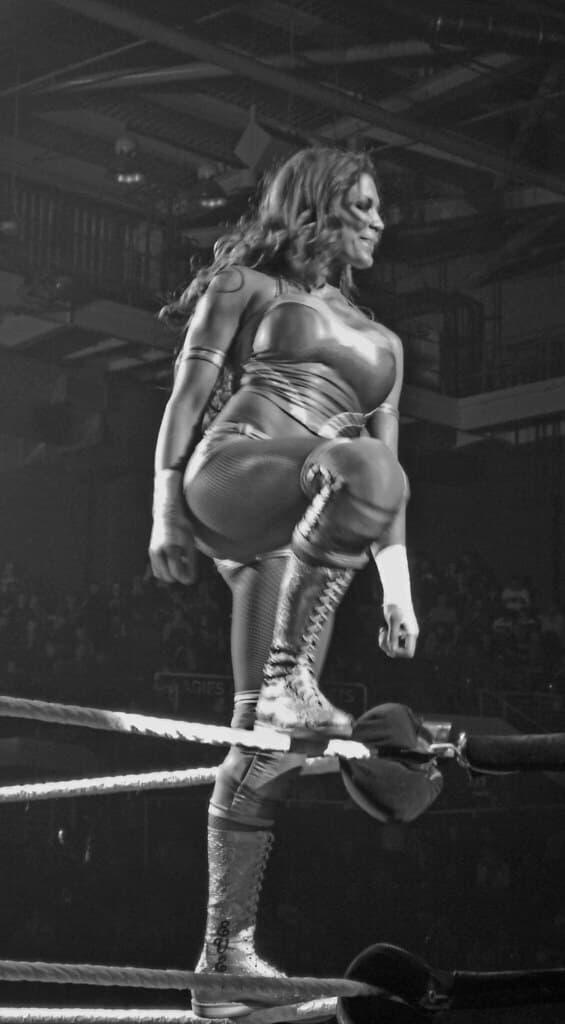
A recent statement by WWE President Nick Khan has ignited a heated discussion about “narrative truth” in major entertainment franchises. Khan told the Sports Business Journal that plans for WrestleMania 40's main event “never changed.” This contradicts the widely circulated story WWE itself promoted during the event's build-up: that overwhelming fan backlash forced a last-minute creative pivot.
The saga centered on WrestleMania 40, one of the biggest wrestling events of the year. Originally, fans expected Cody Rhodes to challenge Roman Reigns for the Undisputed WWE Universal Championship, culminating a multi-year story arc. Instead, WWE initially positioned Dwayne "The Rock" Johnson to face Reigns, seemingly sidelining Rhodes.
The decision sparked an unprecedented fan outcry across social media. The "We Want Cody" movement trended globally. In response, WWE leaned into the controversy, presenting it as a moment where the fans' collective voice changed the trajectory of their biggest show. Rhodes was reinstated to the main event, and the narrative became one of fan empowerment and a responsive creative team.
“When does a story become canon? And who gets to decide what is 'true' in our biggest franchises?”
More Stories
Fast forward to Khan's recent interview. His assertion that plans "never changed" directly challenges this established narrative. For many, it felt like a corporate executive attempting to rewrite history, portraying WWE as omniscient and in control, rather than reactive.
This isn't just a wrestling spat; it's a fascinating case study in how large media enterprises manage their stories and public perception. In the world of long-running manga and anime, fans are intimately familiar with the concept of "retcons" – retroactive continuity changes that alter established lore. Sometimes these are subtle, sometimes jarring. They can be for creative reasons, or to set up future spin-offs or adaptations.
What makes the WWE situation distinct is the executive-level claim that the "retcon" never happened in the first place, despite the company having publicly embraced the original narrative. It forces fans and critics to question what constitutes official canon when different versions of events are presented by the same source, often to different audiences.
For businesses, consistency in messaging can be less about factual accuracy and more about strategic positioning. When addressing fans, portraying a creative team that listens is beneficial. When addressing business partners and investors, projecting unwavering control and foresight is key. The challenge arises when these narratives collide in the public sphere.
This kind of sophisticated narrative management isn't new, but it highlights the unique relationship between creators, corporations, and dedicated fanbases in the modern era. Fans invest heavily in these stories, often piecing together timelines and lore with meticulous detail. When the "truth" becomes fluid, it can erode trust, or, as some argue, add another layer to the meta-narrative itself.
Ultimately, this debate underscores the tension between maintaining a cohesive, believable story world and the pragmatic demands of a multi-billion-dollar entertainment machine. How much narrative flexibility are fans willing to tolerate before the "story" itself feels disingenuous? And who, in the end, truly owns the story: the creators, the corporation, or the fans who champion it?
Catzye Take
This situation highlights the delicate balance between creative integrity and corporate strategy in major franchises. Fans invest deeply in these narratives, and when the 'official' story shifts, it can challenge their trust. What's interesting here is not just the specific contradiction, but the broader implication for how companies communicate with different audiences while maintaining a believable world.
Newsletter
Stay in the loop
Weekly digest of the top manga & anime stories. No spam, unsubscribe any time.
People & Places
Want to learn more?
Read our complete Manga guide →You May Also Like

Forbidden Door Shocker: Briscoe's World Title Dream Hinges on Cage Match
Rhys Darby's Live D&D Debut Promises Chaotic Mayhem at Gen Con 2026

The Last of Us Season 3 Adds Peter Sarsgaard in Brand-New Role, Druckmann Steps Back