Ranma 1/2: Gender Fluidity, Shonen Tropes, and the Art of Living
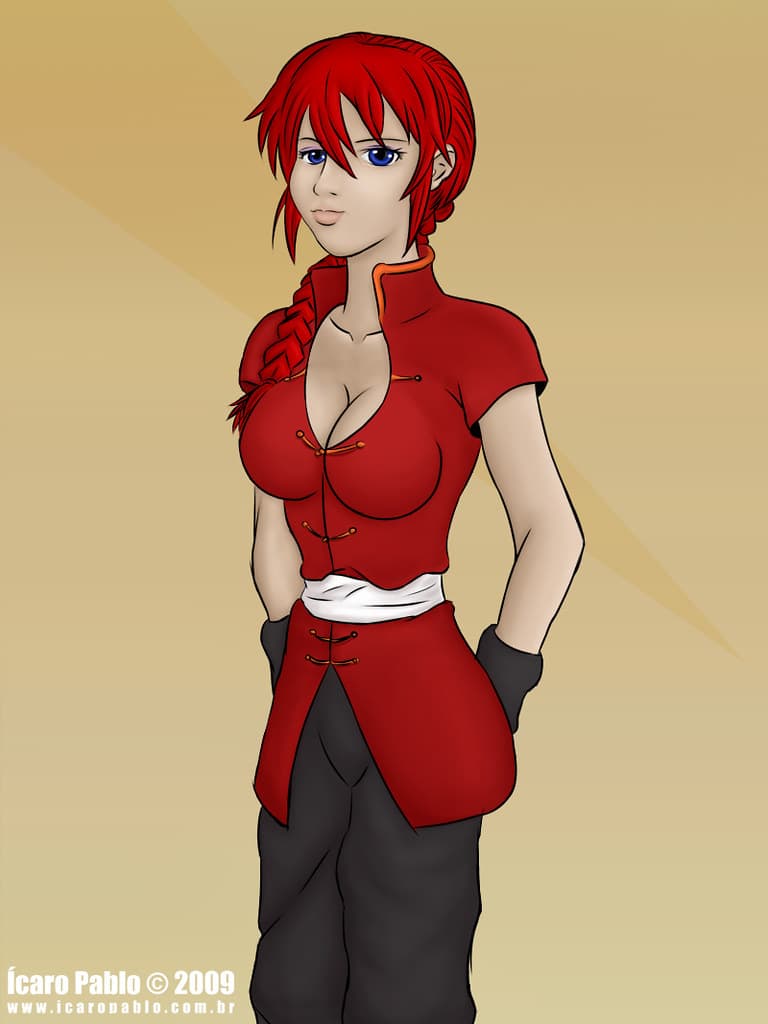
Rumiko Takahashi's iconic martial arts comedy, Ranma 1/2, remains a landmark for its playful yet profound exploration of gender. Decades before widespread discourse on gender identity, Ranma Saotome was already living it – albeit involuntarily. Cursed to transform into a girl with cold water and back into a boy with hot water, Ranma's daily life is a chaotic masterclass in navigating shifting identities.
What makes Ranma 1/2 so compelling, especially for a shonen series, is how it uses this premise for more than just slapstick. Ranma constantly grapples with the social implications of being seen as female. His main concern isn't internal gender dysphoria, but how his girl form impacts his martial arts training, his future as a successor, and his engagement to Akane Tendo. He fights to maintain his 'male' identity, viewing his female form as a hindrance, a 'curse' to be broken. This reflects a societal pressure to conform to rigid gender roles, even as Ranma's reality forces him to transcend them daily.
Yet, Ranma also uses his female form as a strategic 'tool for living.' Whether it's to gain an advantage in a fight, infiltrate a women-only space, or simply avoid responsibility, the series often shows Ranma leveraging his dual existence. This pragmatic approach highlights a fascinating tension: the struggle against an unwanted identity versus the surprising utility found within it.
“Ranma also uses his female form as a strategic 'tool for living.'”

Catzye Take
This classic series offers a fascinating look at how earlier works can inadvertently tackle complex themes. Fans old and new might find new appreciation for how Ranma navigates his unique situation, offering a fresh perspective on a beloved character.
Newsletter
Stay in the loop
Weekly digest of the top manga & anime stories. No spam, unsubscribe any time.
People & Places
Want to learn more?
Read our complete Manga guide →