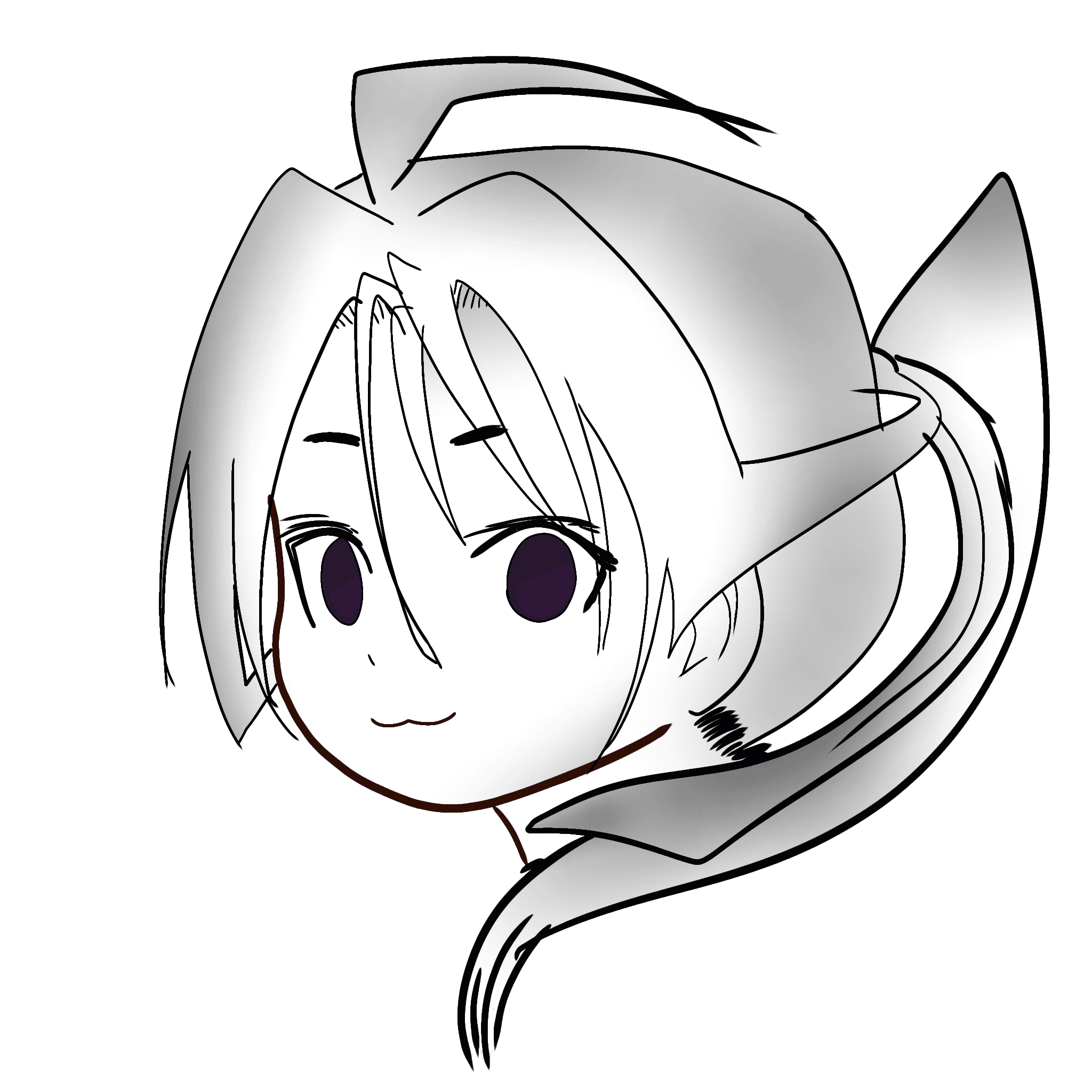
Part 3: The Archetype Is an Engine, Not a Cage
Part 3: The Archetype Is an Engine, Not a Cage
The medium runs on named types, and it names them with a precision no other popular tradition bothers with. The tsundere, hostile on the surface and tender beneath. The kuudere, cool and affectless until the crack shows. The genki girl, all energy and optimism. The stoic rival, the reliable senior, the childhood friend, the little sister, the cool beauty, the hot-blooded idiot with the heart of gold. An outsider sees this catalogue of types and concludes the medium is lazy, assembling characters from a parts bin. This essay argues close to the reverse: that the archetype is a compression technology of real sophistication, that it is an engine rather than a cage, and that the medium's fluency with types is a craft the dismissive reading completely misses.
Compression, and the contract
Start with what an archetype actually does, mechanically, because it is the same thing the sixth series found the fandom's memes doing. An archetype is a whole personality compressed into a small set of signs — a posture, a speech pattern, a handful of behaviors — that invokes the entire type instantly in the audience's mind, the way a meme invokes a whole shared situation in a single image. When you recognize a character as a tsundere, you are handed, in one gesture, a rich set of expectations: how they will deflect affection, how the softness will eventually show, what the arc of their warming will feel like. The archetype is a pointer to a personality both parties already hold, exactly as the meme was a pointer to a context both parties already hold, and the compression is just as efficient and just as easy to mistake for emptiness by someone who does not hold the referent.
And the compression buys something precise: it lets the story skip the exposition and get straight to the variation, which is where the actual pleasure lives. Because an archetype is not experienced by a fluent audience as a cliché — it is experienced as a contract. The audience recognizes the type and settles in, not to see something wholly new, but to see how this instance will play the type — which conventions it will honor, which it will subvert, where it will surprise. The pleasure of the archetype is the pleasure of theme and variation, of a familiar tune played by a new musician, and it is a genuine and sophisticated pleasure, the same one that runs genre itself. The fluent viewer does not want the tsundere abolished. They want a great tsundere, a fresh turn on the type, a variation that honors the contract and then does something inside it they did not expect. The archetype is the key the story and the audience share, and the story unlocks the pleasure by using it well, not by pretending it does not exist.
“An archetype is a whole personality compressed into a few signs, invoked instantly, the way a meme invokes a whole situation in one image. It is the same technology the sixth series found in the fandom’s private language — and in the right hands it is not a cage the character is trapped in but an engine the character is launched from.”
More Stories
The engine and the cage
So the archetype is an engine: it generates instant legibility, a scaffold of expectation, a contract with the audience, and a starting position rich enough that the character can be launched from it into something singular. The greatest characters in this medium almost all begin as a recognizable type — and then exceed it, use the archetype as the platform from which they become a specific, irreducible person the type could never have predicted. The tsundere who becomes, through a hundred chapters, someone whose particular tenderness and particular armor are unlike any other tsundere's; the stoic rival whose specific griefs and loyalties fill the type until it bursts. The archetype was the engine that launched them, legible from the first panel, and then the writing did the work that turned the type into a person, and the audience felt the person grow out of the type and loved them the more for having watched the transcendence.
That is the engine. The cage is the same archetype in lesser hands — the character who never escapes the type, who is only the tsundere, whose every beat is the convention with no variation and no growth, a pointer that points at nothing but itself. And the shadow is real: the medium's fluency with types makes the lazy character as easy to assemble as the great one, and a great deal of the medium is exactly that, the parts-bin assembly the dismissive outsider accused the whole form of. But the failure is not the archetype's; it is the failure to use the archetype as an engine, the mistaking of the starting position for the destination. The type is a cage only if the character never leaves it, and whether they leave it is the whole measure of the writing. The archetype hands you a person in a single gesture. What you do with the person after that gesture is where the character is either born or embalmed.
The numbers
The archetype reads Destiny 8, Heart 7, Personality 1 — which is the exact reading the sixth series found on Shorthand and on Together, in the essay about the meme as the fandom's compressed private language. The archetype, the shorthand, and togetherness, one box, three ways.
The click, named and set down quickly: noise, three phrases colliding, and I ran "the archetype" already knowing it would likely land near "shorthand" because the essay in my head already understood the archetype as a compression technology. Down. But the holding is exact and worth it, because the coincidence names the thesis: the archetype is a shorthand, and a shorthand is a thing that creates togetherness — the compression that both parties can read is the compression that binds them, the private language that makes an inside. The meme essay found that the fandom's shorthand and its togetherness were the same reading because the compression is the bond; this essay finds the archetype in the same box for the same reason, because the archetype is the shorthand between the story and the audience, the compressed language they share, and sharing it is what makes the audience an audience rather than a crowd of strangers. The engine put the archetype, the shorthand, and togetherness in one box by counting letters. The medium put them together by building a whole art of character on a compressed language its audience is fluent in, and the fluency is the belonging, and the archetype is the vocabulary. And The rival, that most beloved of the medium's types, reads Destiny 5, Heart 6, Personality 8 — the box of The enemy and The creed and Fate from the seventh series — because the rival is the enemy who is really a creed and really a fate, the antagonist who is the hero's destined other half, the type whose whole function is to be the opponent you cannot do without. The engine filed the rival with fate and the enemy by accident. The medium filed them together on purpose, because the rival was always the friend the archetype disguised as a foe, launched from the same engine, pointed at the same heart.
Numerological Reading
Reading: the archetype
Read through its central name, the archetype, this story reduces to a Destiny 8 — Visionary & Achiever. Its vibration — money, authority, and the machinery of ambition — is a lens for the 8's concern with power, money, and who is really in charge.
The 8 is the executive — ambitious, capable, and built for scale. It masters money and authority, and loses its footing when power becomes the only measure.
How the numbers are built
- Destiny
- 62 → 8 = 8
- Heart
- 16 → 7 = 7
- Personality
- 46 → 10 → 1 = 1
The subject is reduced with standard Pythagorean numerology — each letter mapped to a digit 1–9, summed, and reduced to a single digit or master number. A lens for paying attention, not a forecast.
Newsletter
Stay in the loop
Weekly digest of the top manga & anime stories. No spam, unsubscribe any time.
People & Places
Want to learn more?
Read our complete Anime guide →You May Also Like
Part 6: The Body That Sells the Figure
Part 6: The Body That Sells the Figure
Draw This, Then Die! Unleashes a Creative Frenzy
To You in the Beyond: Stellar Visuals Can't Save a Hollow Story